
山東途暢路橋工程有限公司
聯(lián)系人:石總
電話:18264104888
地址:山東省濟(jì)南市槐蔭區(qū)經(jīng)一路273號群盛華城
冷再生機(jī)租賃:公路基層全深式就地冷再生施工技術(shù)研究
通過對老路開展取芯和挖探調(diào)查并記錄取芯及挖探情況,取芯試件試驗(yàn)檢測發(fā)現(xiàn),道路整體結(jié)構(gòu)強(qiáng)度不足,路面基層發(fā)生較大面積破壞,此路段災(zāi)毀恢復(fù)重建采用結(jié)構(gòu)性修復(fù)以提高路面結(jié)構(gòu)強(qiáng)度,提高道路運(yùn)行能力。
By conducting core and excavation investigations on the old road and recording the results of the core and excavation tests, it was found that the overall structural strength of the road was insufficient, and a large area of damage occurred to the pavement base. The disaster recovery and reconstruction of this section adopted structural repair to improve the strength of the pavement structure and enhance the road's operational capacity.
1?技術(shù)標(biāo)準(zhǔn)路基橫斷面形式采用二級公路技術(shù)標(biāo)準(zhǔn)。路基寬度16.5?m:斷面布置為1.5?m(土路肩)+3.0?m(硬路肩)+3.75?m(行車道)+3.75?m(行車道)+3.0?m(硬路肩)+1.5?m(土路肩)。S26臺(tái)輝高速立交以南:自上而下采用4?cm細(xì)粒式SBS改性瀝青混凝土(AC–13C)+改性乳化瀝青粘層油+5?cm中粒式SBS改性瀝青混凝土(AC–16C)+橡膠瀝青纖維碎石封層+乳化瀝青透層油+18cm水泥穩(wěn)定級配碎石+18?cm全深式冷再生(中間7.5?m),總厚度45?cm。
1? Technical standard The cross section of subgrade adopts the technical standard of second-class highway. Roadbed width 16.5? m: Is the cross-sectional layout 1.5? M (earth shoulder)+3.0? M (hard shoulder)+3.75? M (lane)+3.75? M (lane)+3.0? M (hard shoulder)+1.5? M (earth shoulder). South of the S26 Taihui Expressway Interchange: adopting a top-down approach of 4? CM fine-grained SBS modified asphalt concrete (AC-13C)+modified emulsified asphalt binder oil+5? Cm medium grained SBS modified asphalt concrete (AC-16C)+rubber asphalt fiber crushed stone seal layer+emulsified asphalt prime coat oil+18cm cement stabilized graded crushed stone+18? Cm deep cold regeneration (7.5 μ m in the middle), with a total thickness of 45 μ m? cm。
2?總體思路及技術(shù)路線圍繞G230通武線內(nèi)浚界寨外村段災(zāi)毀恢復(fù)重建工程全深式冷再生下基層的施工,從冷再生設(shè)備工作參數(shù)匹配控制、再生材料配合比、再生拌和料含水量智能控制、再生混合料的碾壓、養(yǎng)護(hù)等方面詳細(xì)論述其施工技術(shù)要點(diǎn)。技術(shù)路線如圖1所示。圖1?技術(shù)路線
2. The overall idea and technical route revolve around the construction of the fully deep cold recycling base layer for the disaster recovery and reconstruction project of the G230 Tongwu Line from the dredging boundary to the village outside the village. The construction technical points are discussed in detail from the aspects of cold recycling equipment working parameter matching control, recycled material mix ratio, intelligent control of recycled mixing material moisture content, rolling and maintenance of recycled mixing material. The technical roadmap is shown in Figure 1. Figure 1? technical route
3?關(guān)鍵技術(shù)的特點(diǎn)或創(chuàng)新點(diǎn)以往的重建或修復(fù)水穩(wěn)面層都會(huì)帶來大量建筑垃圾,對環(huán)境影響較大,而開發(fā)新材料則會(huì)減少對資源和環(huán)境的損害,因此水穩(wěn)層采用冷再生施工方法。冷再生使用原有路面的鋪層材料,大幅減少了在路面修復(fù)或更新時(shí)原有鋪層材料的施工、使用、廢置及新材料采購,不僅可以節(jié)約資源,還可以降本增效,所以又被稱為綠色施工方法。
3. Characteristics or innovation points of key technologies: Previous reconstructions or repairs of water stable surface layers have resulted in a large amount of construction waste, which has a significant impact on the environment. However, the development of new materials can reduce damage to resources and the environment. Therefore, cold recycling construction methods are used for water stable layers. Cold recycling uses the original pavement layer materials, significantly reducing the construction, use, disposal, and procurement of new materials during pavement repair or renewal. It not only saves resources but also reduces costs and increases efficiency, hence it is also known as a green construction method.
4?實(shí)施方法公路基層全深式就地冷再生施工技術(shù)施工工藝流程圖如2所示。圖2?施工工藝流程
4. Implementation method: The construction process flow chart of the fully deep on-site cold recycling construction technology for highway grassroots is shown in Figure 2. Figure 2? Construction process flow
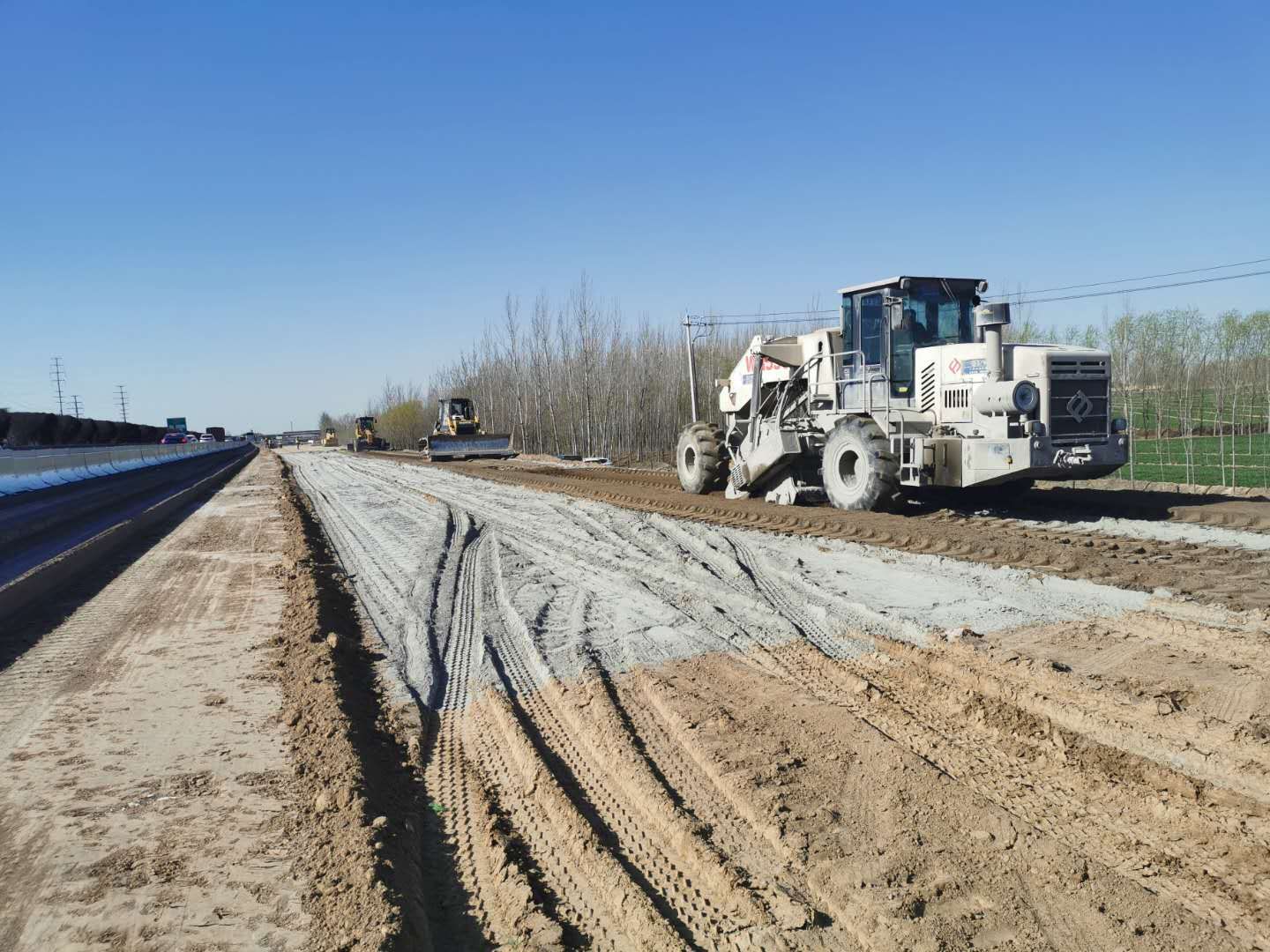
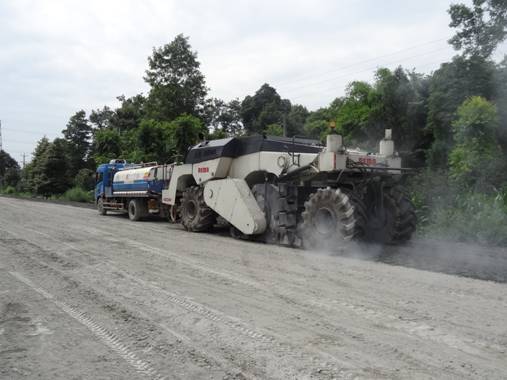
4.1?冷再生設(shè)備工作參數(shù)匹配控制技術(shù)目前,國內(nèi)外冷再生設(shè)備的再生鼓一般采用聯(lián)組三角帶定速的皮帶傳動(dòng)形式,且刀具切削線速度均為定值。針對不同再生深度,行走速率有所差異,導(dǎo)致再生鼓中水穩(wěn)層的切削量發(fā)生改變,進(jìn)而導(dǎo)致再生混合材料粒徑與層配比例不斷波動(dòng)。冷再生設(shè)備的行走速度應(yīng)根據(jù)現(xiàn)場施工試驗(yàn)段、道路結(jié)構(gòu)層施工深度以及再生鼓的運(yùn)行速度來確定,三項(xiàng)參數(shù)應(yīng)互相匹配;再生混合料篩分應(yīng)符合圖紙的級配要求。通過試驗(yàn)來調(diào)整設(shè)備行走速度及再生鼓工作轉(zhuǎn)數(shù)。在級配范圍內(nèi),選擇中值確定三者工作匹配,以達(dá)到就地冷再生工藝下的再生混料所能獲得的粒度及拌和均勻度,為再生工藝的級配調(diào)節(jié)提供較精確信息。
4.1? At present, the matching control technology of working parameters for cold regeneration equipment generally adopts a belt transmission form of linked triangular belt with fixed speed for the regeneration drum of cold regeneration equipment at home and abroad, and the cutting line speed of the cutting tool is always a constant value. Due to differences in walking speed for different regeneration depths, the cutting amount of the water stable layer in the regeneration drum changes, resulting in continuous fluctuations in the particle size and layer ratio of the regenerated mixed material. The walking speed of the cold recycling equipment should be determined based on the on-site construction test section, the construction depth of the road structure layer, and the operating speed of the recycling drum, and the three parameters should be matched with each other; The screening of recycled mixtures should comply with the grading requirements of the drawings. Adjust the walking speed of the equipment and the working speed of the regeneration drum through experiments. Within the grading range, the median is selected to determine the best match between the three works, in order to achieve the maximum particle size and mixing uniformity that can be obtained from the recycled mixture under the in-situ cold recycling process, providing more accurate information for the grading adjustment of the recycling process.
4.2?再生材料配合比設(shè)計(jì)施工技術(shù)再生層施工前,對原路面材質(zhì)開展配合比研究,采用冷再生機(jī)取樣,嚴(yán)格依據(jù)標(biāo)準(zhǔn)執(zhí)行,分析實(shí)際結(jié)構(gòu)道路材質(zhì)、結(jié)構(gòu)種類、塑性指數(shù)、擊實(shí)試驗(yàn)及含水量,從而為實(shí)驗(yàn)室配合比研究儲(chǔ)備研究樣品。水泥穩(wěn)定再生層中單個(gè)粒徑尺寸不大于37.5?mm,冷再生混凝土料級配范圍也要符合表1。表1?冷再生混合料級配范圍對于級配質(zhì)量不好的原路面結(jié)構(gòu)老料,可摻入新料改良其級配。先依據(jù)滿足原結(jié)構(gòu)面質(zhì)量和厚度條件的實(shí)驗(yàn)數(shù)據(jù)來確定摻碎石數(shù)量,對所加入的碎石進(jìn)行篩分,分3個(gè)不同粒徑等級進(jìn)行配制。
4.2? Design and construction technology for mix proportion of recycled materials Before the construction of the recycled layer, a mix proportion study is conducted on the original pavement material. Cold recycling machines are used for sampling, and the standards are strictly followed to analyze the actual structural road material, structural type, plasticity index, compaction test, and moisture content, in order to reserve research samples for laboratory mix proportion research. Is the maximum size of a single particle in the cement stabilized recycled layer not greater than 37.5? mm, The grading range of cold recycled concrete materials should also comply with Table 1. Table 1? The grading range of cold recycled mixture can be improved by adding new materials to the old pavement structure with poor grading quality. Firstly, based on experimental data that meets the quality and thickness conditions of the original structural surface, determine the amount of crushed stone to be added, screen the added crushed stone, and prepare it in three different particle size grades.
按照J(rèn)TJ?057—94《公路工程無機(jī)結(jié)合料穩(wěn)定試驗(yàn)規(guī)程》T?0804—94方法確定各種混合料干密度和含水量,根據(jù)含水量和計(jì)算干密度制備試件進(jìn)行強(qiáng)度試驗(yàn)。根據(jù)設(shè)計(jì)圖紙要求的強(qiáng)度標(biāo)準(zhǔn),選定合適水泥劑量。通過配合比測量數(shù)據(jù)測算出每水泥用量,水泥作為再生結(jié)合料時(shí),應(yīng)當(dāng)使用一般硅酸鹽材料,不適宜采用快硬水泥、早強(qiáng)水泥,在冷再生攤鋪面上按每袋用量劃格,人工攤鋪均勻水泥。冷再生機(jī)沿?cái)備佒芯€拌和,每10~20?m進(jìn)行挖驗(yàn),檢查是否到底,禁止存在夾層,如不到底及時(shí)調(diào)整。
According to JTJ? 057-94 "Specification for Stability Test of Inorganic Bonding Materials in Highway Engineering" T-0804-94 method determines the maximum dry density and optimal moisture content of various mixtures, and prepares specimens for strength testing based on the optimal moisture content and calculated dry density. Select the appropriate cement dosage according to the strength standards required by the design drawings. The cement dosage per square meter is calculated based on the measurement data of the mix proportion. When using cement as a recycled binder, general silicate materials should be used, and fast hardening cement and early strength cement are not suitable. On the cold recycled paving surface, grid the dosage per bag and manually spread the cement evenly. The cold recycling machine mixes along the centerline of the paving, every 10-20? Conduct excavation inspection to check if it is completely at the bottom, and prohibit the existence of interlayer. If it is not completely at the bottom, adjust it in a timely manner.
4.3?再生拌和料含水量智能控制傳統(tǒng)冷再生含水量控制,多為在冷再生機(jī)進(jìn)行銑刨、破碎和與集料的拌和時(shí)適量加水,在第二次銑刨、拌和時(shí)現(xiàn)場檢測集料含水量,根據(jù)設(shè)計(jì)圖紙要求含水量略大于正確含水量的1?%~2?%,如果含水量缺乏,則水車采用霧狀噴頭少量噴灑補(bǔ)水。采用單片機(jī)控制技術(shù)的自動(dòng)加水裝置,通過內(nèi)置感應(yīng)器實(shí)時(shí)監(jiān)測再生混合料含水率,與同步分比測試資料并實(shí)現(xiàn)數(shù)據(jù)匹配,計(jì)算出混合料水分分布比、冷再生機(jī)加水量,現(xiàn)場隨時(shí)補(bǔ)水,實(shí)現(xiàn)智能化控制。相比傳統(tǒng)施工工藝可減少現(xiàn)場試驗(yàn)時(shí)間,進(jìn)而減少工期。
4.3? Intelligent control of moisture content in recycled mixing materials. Traditional cold recycling moisture content control often involves adding an appropriate amount of water during the first milling, crushing, and mixing of the cold recycling machine with the aggregate. During the second milling and mixing, the moisture content of the aggregate is detected on site. According to the design drawings, the moisture content is slightly higher than the correct moisture content by 1? %~2? %If the water content is insufficient, the water truck will use a mist nozzle to spray a small amount of water. The automatic water adding device using microcontroller control technology monitors the moisture content of the recycled mixture in real time through a built-in sensor, matches the data with the synchronous ratio test data, calculates the optimal moisture distribution ratio of the mixture and the amount of water added by the cold regeneration machine, and replenishes water on site at any time to achieve intelligent control. Compared to traditional construction techniques, it can reduce on-site testing time and thus shorten the construction period.
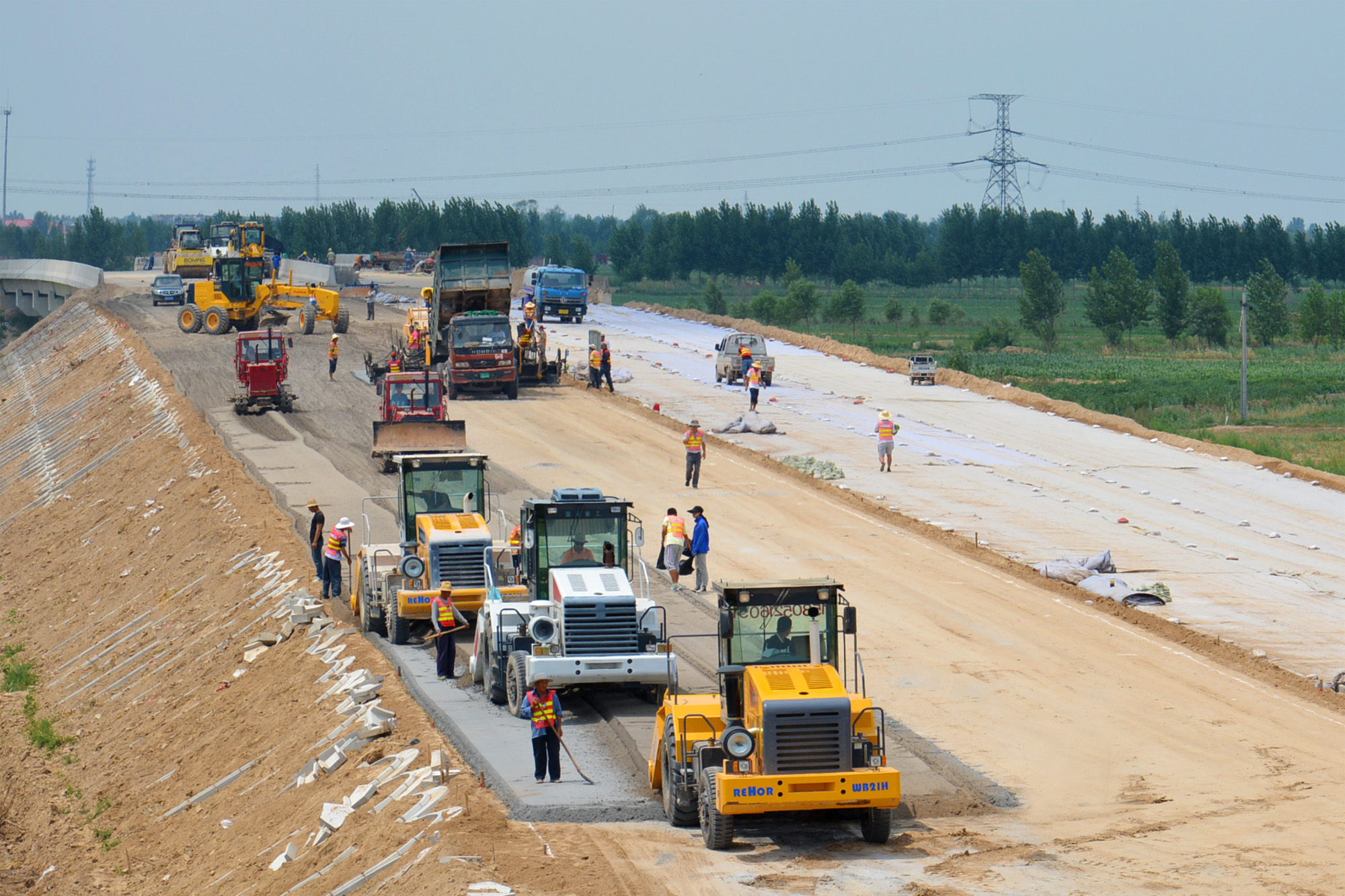
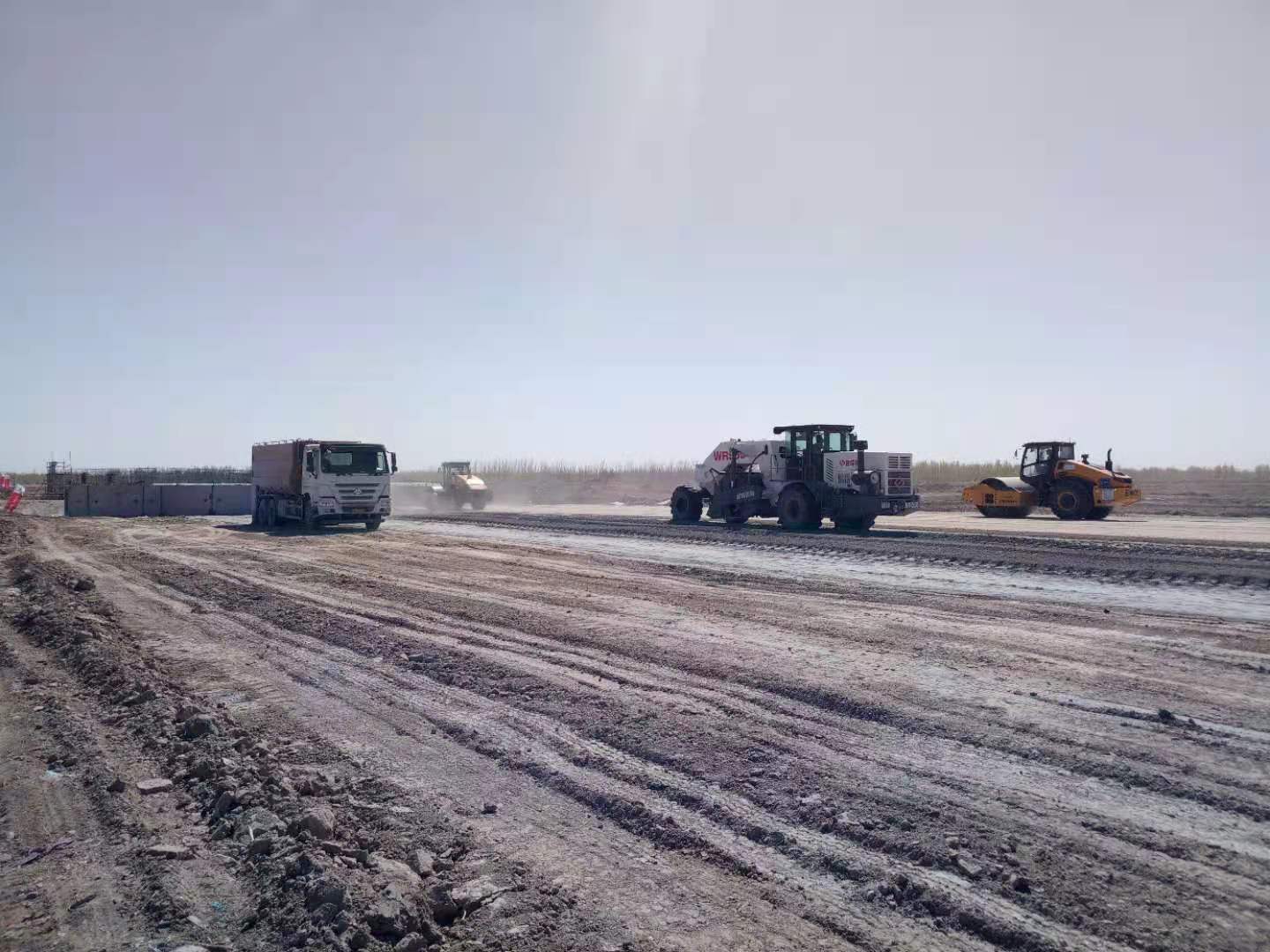
4.4?再生混合料的碾壓施工技術(shù)(1)依據(jù)道路的現(xiàn)實(shí)路寬、壓路機(jī)輪寬和輪距差異,匯總出適合于現(xiàn)場的碾壓方法,保證冷再生施工面的碾壓遍數(shù)相同。(2)在完成作業(yè)面的初壓工序后,采用平地機(jī)整平,若表面水分消散較為嚴(yán)重,可在表面適當(dāng)灑水整平,嚴(yán)禁超載車輛通過,并確保粗細(xì)骨料無明確離析現(xiàn)象,采用鋼輪震動(dòng)壓路機(jī)弱震復(fù)壓。(3)采用膠輪壓路機(jī)終壓,必要時(shí)也可灑水碾壓。
4.4? The compaction construction technology of recycled mixtures (1) summarizes the most suitable compaction method for the site based on the actual road width, roller wheel width, and wheelbase differences of the road, ensuring that the number of compaction passes on the cold recycling construction surface is the same. (2) After completing the initial compaction process of the work surface, a grader is used for leveling. If the surface moisture dissipates significantly, appropriate watering can be applied to level the surface. Overloaded vehicles are strictly prohibited from passing through, and it is ensured that there is no clear segregation of coarse and fine aggregates. A steel wheel vibratory roller is used for weak vibration re compaction. (3) Finally, a rubber roller is used for final compaction, and if necessary, water can also be sprayed for rolling.
4.5?再生混合料的養(yǎng)生施工技術(shù)全深式水泥就地冷加工在澆筑完畢后的養(yǎng)護(hù)方法和技術(shù)如下。水泥冷再生層需經(jīng)過7??d養(yǎng)護(hù),用土工織物覆蓋養(yǎng)護(hù)的方法灑水養(yǎng)護(hù)。對每次碾壓完畢并經(jīng)過壓實(shí)度檢測合格后的基層,必須采用切斷道路交通的方法養(yǎng)護(hù)。基層養(yǎng)護(hù)時(shí)間不得低于7?d。
4.5? The curing construction technology for recycled mixtures is as follows: the curing method and technology for on-site cold processing of fully deep cement after pouring are as follows. The cement cold recycling layer needs to go through 7?? D maintenance, using geotextile covering for maintenance and watering for maintenance. After each compaction and passing the compaction degree test, the base layer must be maintained by cutting off road traffic. The grassroots maintenance time shall not be less than 7 days? d。
5?結(jié)束語與常規(guī)的路面養(yǎng)護(hù)翻新技術(shù)相比,道路就地冷卻再生機(jī)技術(shù)具有眾多優(yōu)勢。冷卻再生施工采用一次性施工,對道路的破壞較小。全深式冷再生減少了材料運(yùn)輸施工程序,縮短工期,在維修重建養(yǎng)護(hù)工程方面具有推廣應(yīng)用價(jià)值。
Conclusion: Compared with conventional road maintenance and renovation techniques, on-site cooling and regeneration machine technology for roads has many advantages. The cooling and regeneration construction adopts a one-time construction method, which causes less damage to the road. Full depth cold recycling reduces material transportation and construction procedures, shortens the construction period, and has promotion and application value in maintenance, reconstruction, and upkeep projects.
本文由 冷再生機(jī)租賃 友情奉獻(xiàn).更多有關(guān)的知識(shí)請點(diǎn)擊 http://www.toppersin.com/ 真誠的態(tài)度.為您提供為的服務(wù).更多有關(guān)的知識(shí)我們將會(huì)陸續(xù)向大家奉獻(xiàn).敬請期待.
This article is a friendly contribution from Cold Recycling Machine Rental For more related knowledge, please click http://www.toppersin.com/ Sincere attitude To provide you with comprehensive services We will gradually contribute more relevant knowledge to everyone Coming soon.
閱讀/ Recommended reading
- 冷再生機(jī)租賃:公路基層全深式就地冷再生施工技術(shù)研究 2025-12-10
- 冷再生機(jī)租賃:冷在生技術(shù)助力道路經(jīng)濟(jì)快速恢復(fù)交通 2025-12-09
- 冷再生機(jī)租賃:乳化瀝青與泡沫瀝青冷再生技術(shù)發(fā)展 2025-12-06
- 冷再生機(jī)租賃:探索綠色養(yǎng)護(hù)新路徑,泡沫瀝青冷再生工藝 2025-12-08
冷再生技術(shù)在公路建設(shè)中的應(yīng)用,相對于傳統(tǒng)的路面大修工藝技術(shù),該技術(shù)具有原水泥路面舊材料100%完全利用、大幅度降低路面標(biāo)高抬升幅度、大大縮短施工工期、環(huán)境污染小、交通影響小、...