
山東途暢路橋工程有限公司
聯系人:石總
電話:18264104888
地址:山東省濟南市槐蔭區經一路273號群盛華城
冷再生機租賃:乳化瀝青與泡沫瀝青冷再生技術發展
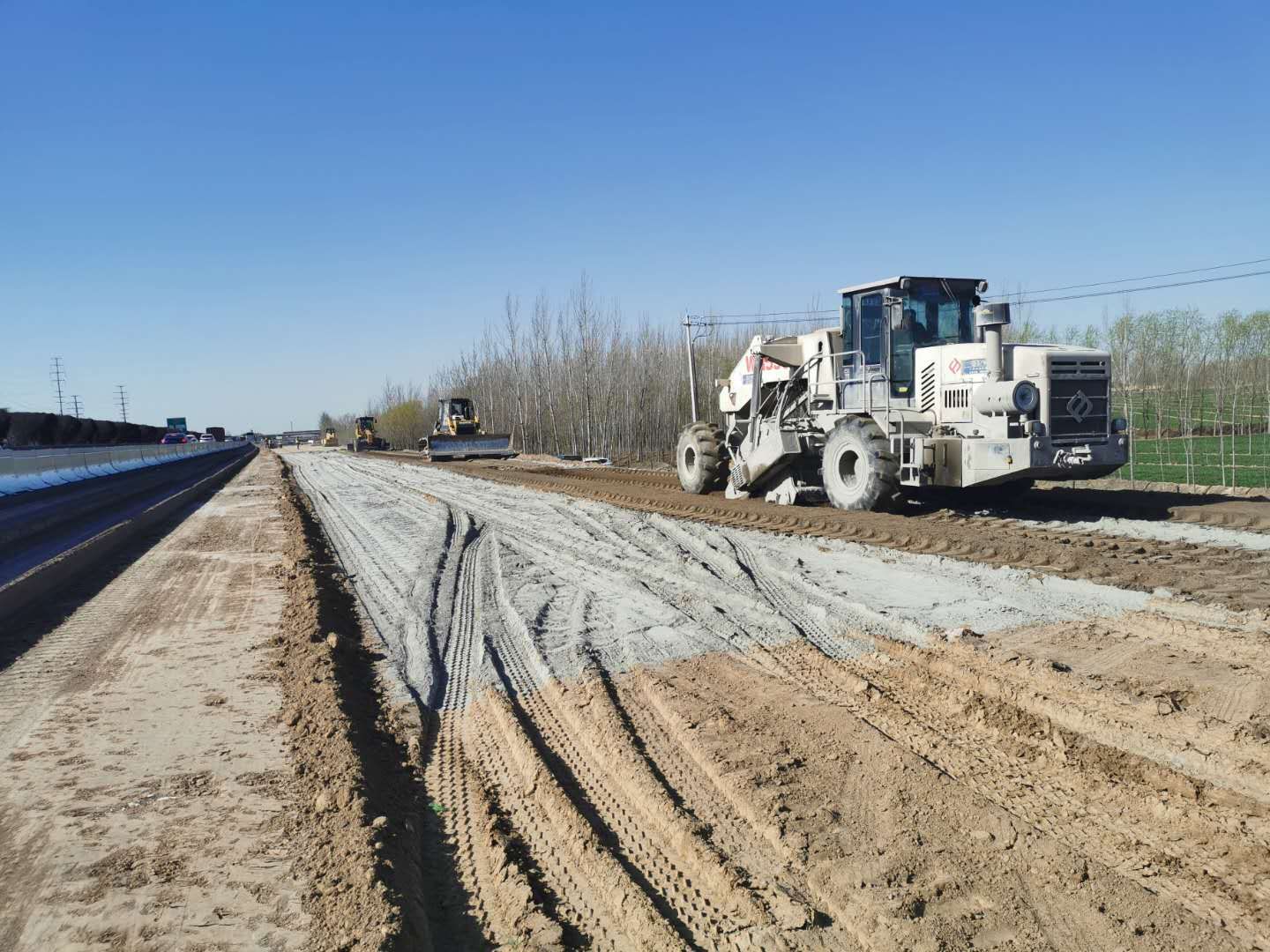
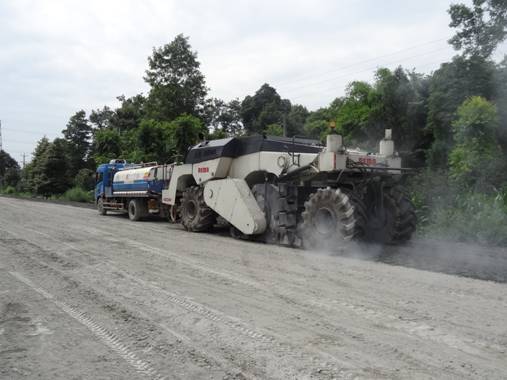
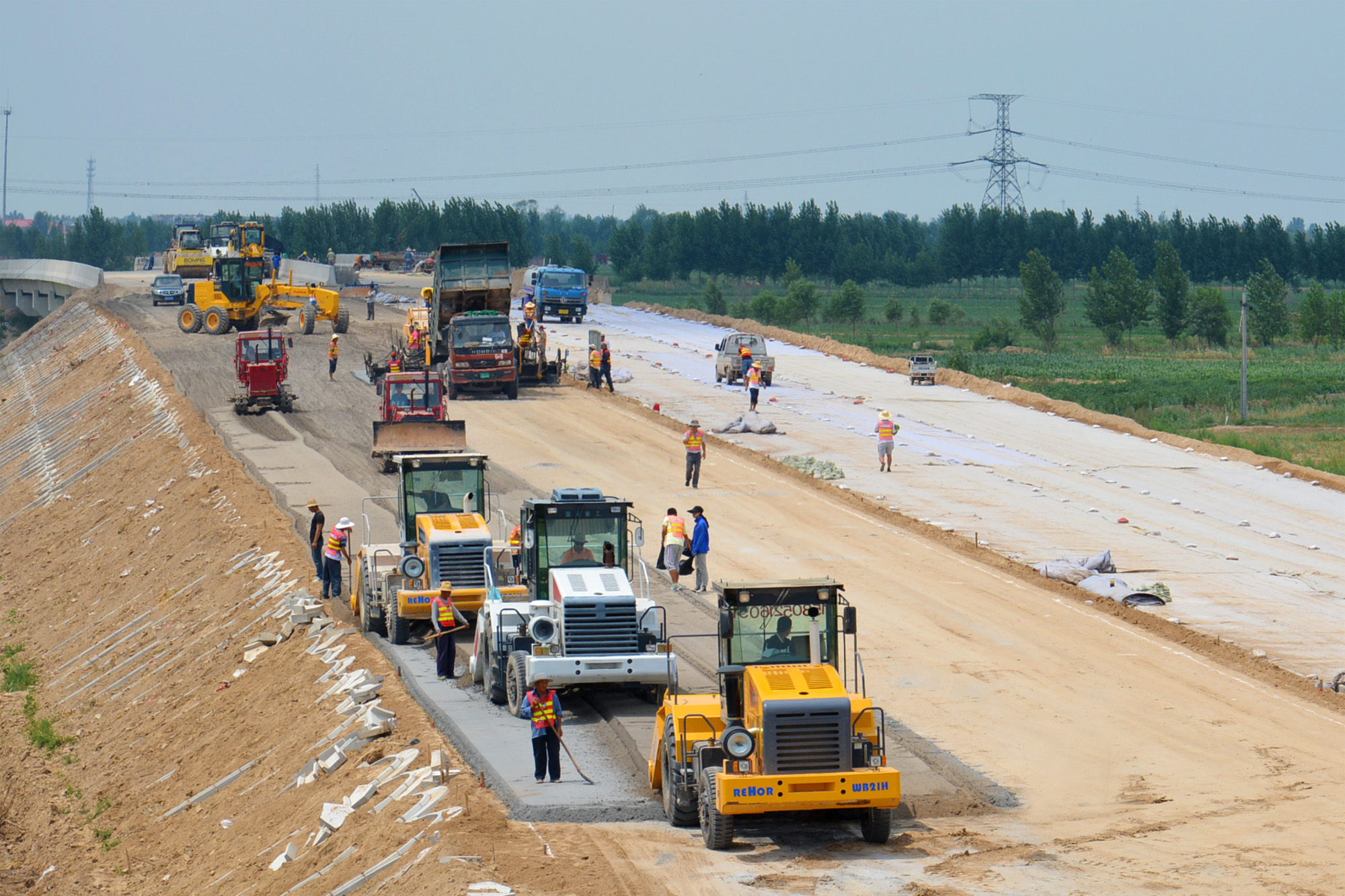
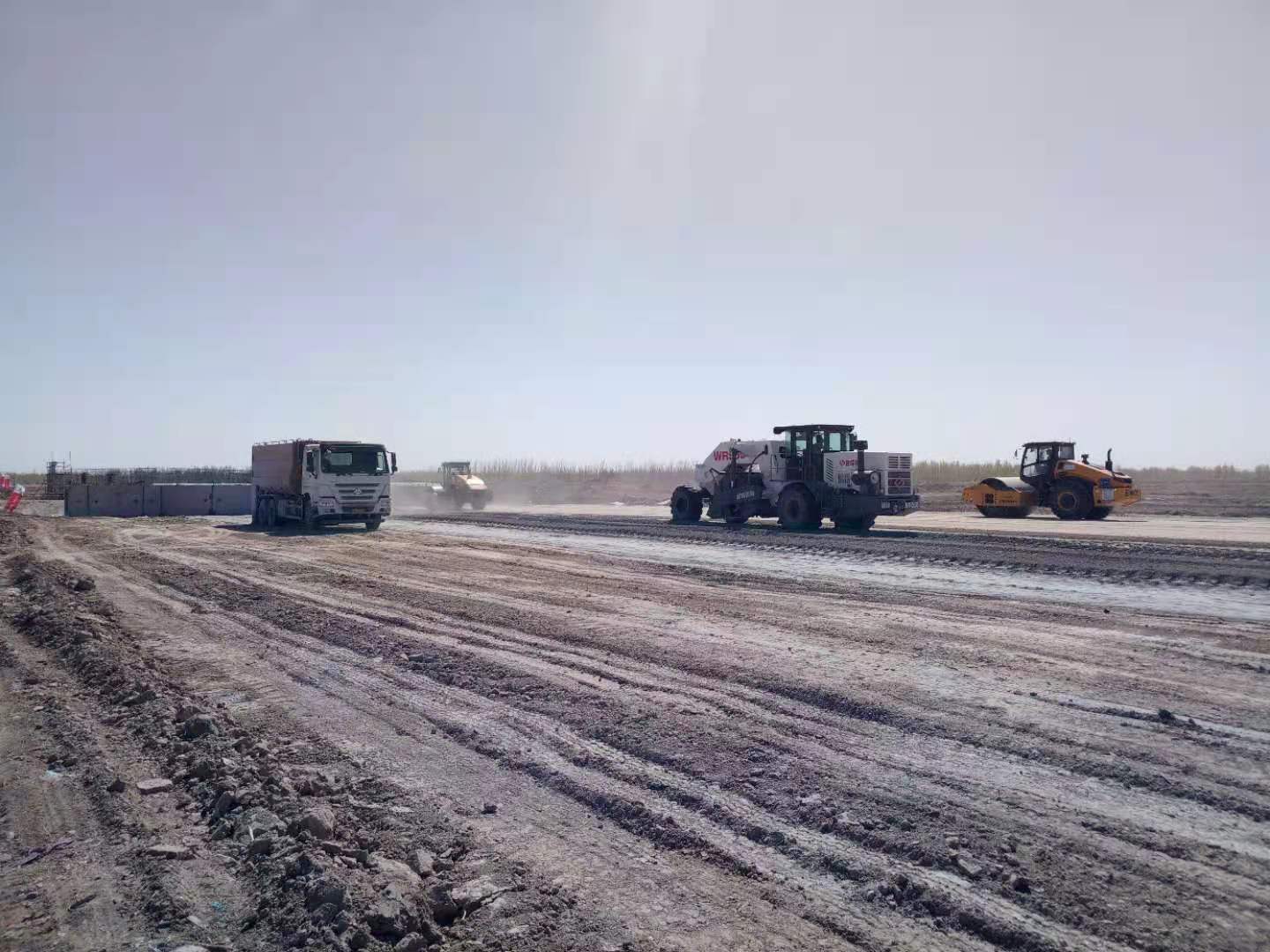
進入21世紀以來,國內道路建設規模和建設速度持續增長。近年來隨著公路設計服務年限的臨近,各地道路陸續出現一系列病害,由此導致道路養護里程和養護規模急速增長,在此過程中不可避免地產生大量的瀝青銑刨料,其中包括回收瀝青混合料以及回收水泥穩定基層料。露天堆放、填埋等傳統處理方法會造成環境污染以及資源浪費。此外,隨著天然集料和瀝青材料的供應緊缺和上漲,對道路建設成本以及施工進度產生了一定的負面影響,因此,再生技術得到了廣泛的關注和應用。再生技術主要包括熱再生技術和冷再生技術。相比于熱再生,冷再生技術通常采用乳化瀝青或泡沫瀝青作為瀝青膠結料,在常溫下進行拌和和壓實,可降低瀝青膠結料的初始老化,且能量消耗僅為生產同等瀝 青 混 合 料 的 20%~40%,具 有、可持續性強和經濟效益高等優勢。根據施工工藝、銑刨深度以及拌和場地的不同,冷再生技術細分為就地 冷 再 生、廠拌冷再生、和全深式冷再生。冷再生技術經過幾十年的發展已被世界各國廣泛應用,在美國、加拿大、法國、德國、澳大利亞等已較為成熟。目前冷再生技術主要應用于輕交通等級的路面修復,弗吉尼亞州交通部的研究表明冷再生技術對于重交通道路的修復也具有明顯的適用性和顯著的成本效益。本系列專題總結了:專題一:冷再生技術類別及發展現狀專題二:乳化瀝青和泡沫瀝青混合料材料組成性能分析專題三:配合比設計及路面結構設計方法、路用性能分析專題四:冷再生技術工藝和施工設備等研究現狀并對相關技術方法進行了對比分析,提出了冷再生技術的關鍵研究問題和未來發展趨勢,旨在進一步促進冷再生技術在實際工程中的應用。專題一:冷再生技術發展現狀
Since the beginning of the 21st century, the scale and speed of domestic road construction have continued to grow. In recent years, as the service life of highway design approaches, a series of road diseases have emerged in various regions, leading to a rapid increase in road maintenance mileage and scale. In this process, a large amount of asphalt milling materials are inevitably generated, including recycled asphalt mixtures and recycled cement stabilized base materials. Traditional methods such as open-air stacking and landfilling can cause environmental pollution and waste of non renewable resources. In addition, with the shortage and price increase of natural aggregates and asphalt materials, it has had a certain negative impact on road construction costs and construction progress. Therefore, recycling technology has received widespread attention and application. Regeneration technology mainly includes hot regeneration technology and cold regeneration technology. Compared with hot recycling, cold recycling technology usually uses emulsified asphalt or foam asphalt as asphalt binder. Mixing and compaction at room temperature can reduce the initial aging of asphalt binder, and the energy consumption is only 20%~40% of the production of the same asphalt mixture. It has the advantages of energy conservation, environmental protection, strong sustainability and high economic benefits. According to different construction techniques, milling depths, and mixing sites, cold recycling technology is divided into on-site cold recycling, factory mixed cold recycling, and full depth cold recycling. Cold regeneration technology has been widely applied in countries around the world after decades of development, and has become relatively mature in countries such as the United States, Canada, France, Germany, and Australia. At present, cold recycling technology is mainly applied to the repair of light traffic grade road surfaces. Research by the Virginia Department of Transportation shows that cold recycling technology also has significant applicability and cost-effectiveness for the repair of heavy traffic roads. This series of topics summarized: Topic I: cold recycling technology categories and development status Topic II: emulsified asphalt and foam asphalt mixture material composition performance analysis Topic III: mix design and pavement structure design methods, road performance analysis Topic IV: cold recycling technology process and construction equipment and other research status, and made a comparative analysis of related technical methods, put forward the key research issues and future development trends of cold recycling technology, in order to further promote the application of cold recycling technology in practical projects. Topic 1: Development Status of Cold Recycling Technology
1、北美
1. North America
美國早在1915年開展冷再生技術研究,但在1974年 前 開 展 的 相 關 試 驗 研 究 較 少,在 20 世 紀70年代后逐步得到推 廣 應 用。截 止1985年 底,賓夕法尼亞交通部完成了包括就地冷再生、廠拌冷再生和全深式冷再生在內的大約90個冷再生項目,旨在推動冷再生在基層應用建立標準規范,并為相關工程項目提供施工技術指導。自1984年以來,美國交通部開展了120余項就地冷再生項目,并持續對該技術的施工工藝和材料性能進行評估。到20世紀80年代末,美國瀝青再生料用量已占到全部瀝青混合料的一半。堪薩斯州交通部自1986年采用冷再生技術修復路面,并在1990~1992年期間修建了4條試驗 路。截 1996年,愛 荷華 州 已 完 成97個就地冷再生項目。美國25個州的瀝青再生料使用 規 模 已 達 到 近2億 噸。Morian等介 紹 了美國賓夕法尼亞州44條實施冷再生技術的路段使用情況,調查結果顯示冷再生路面抗反射裂縫性能較傳統熱拌混合料直接加鋪的方式提高了1~2倍,且成本低于其2/3。美國瀝青路面協會年度調查顯示,2018年99%以上的RAP料被回收利用。目 前,美 國 聯 邦 公 路 局 頒 布 了FederalLandsHighwaySpecifications,并對CIR和FDR兩種再生工藝進行了規范,此外全美目前有41個州少頒布了一種冷再生技術規范;加拿大10個省或地區中有3個省或地區制定了有關冷再生的技術規范。北美地區 的 冷 再 生 技 術 規 范 的 制 定 情 況 如 圖1所示],共涉及83個冷再生技術規范,其中大約54%(45個規范)規 范 了CIR,17%(14個 規范)規 范 了CCPR,29%(24個規范)規范了FDR。RAP料除了應用于瀝青混合料,還作為碎石材料應用于道路建設。工程實踐已證明 RAP料可應用于無黏結 基 層 材 料 和 底 基 層 材 料,但 RAP 料 級配是 限 制 其 應 用 的 主 要 因 素。美 國 49 個 州 已 將RAP料應用于瀝青混合料中,包括佛吉尼亞州在內的13個州應用于基層,其中4個州應用于底基層,2個州應用于穩定基層材料和路肩集料。總體來說,將 RAP 料 應用于級配碎石基層和底基層具有良好的路用性能。
The United States first conducted research on cold regeneration technology in 1915, but there were relatively few related experimental studies conducted before 1974. It gradually gained widespread application after the 1970s. By the end of 1985, the Pennsylvania Department of Transportation had completed approximately 90 cold recycling projects, including on-site cold recycling, factory mixed cold recycling, and full depth cold recycling, aimed at promoting the establishment of standard specifications for cold recycling applications at the grassroots level and providing construction technical guidance for related engineering projects. Since 1984, the US Department of Transportation has carried out over 120 on-site cold recycling projects and continuously evaluated the construction process and material properties of this technology. By the late 1980s, the use of recycled asphalt in the United States had accounted for half of all asphalt mixtures. The Kansas Department of Transportation has been using cold recycling technology to repair road surfaces since 1986 and built four test roads between 1990 and 1992. As of 1996, Iowa had completed 97 on-site cold recycling projects. The use of asphalt recycled materials in 25 states in the United States has reached nearly 200 million tons. Morian et al. introduced the usage of cold recycling technology in 44 road sections in Pennsylvania, USA. The survey results showed that the anti reflective crack performance of cold recycled pavement was 1-2 times higher than that of traditional hot mix direct paving, and the cost was less than 2/3 of it. The annual survey by the National Asphalt Pavement Association in the United States shows that over 99% of RAP materials were recycled in 2018. At present, the Federal Highway Administration of the United States has issued the Federal Lands Highway Specifications and standardized the CIR and FDR recycling processes. In addition, there are currently 41 states in the United States that have issued at least one cold recycling technology specification; Three out of ten provinces or territories in Canada have established technical specifications for cold regeneration. The development of cold regeneration technology specifications in North America is shown in Figure 1, involving a total of 83 cold regeneration technology specifications, of which approximately 54% (45 specifications) regulate CIR, 17% (14 specifications) regulate CCPR, and 29% (24 specifications) regulate FDR. RAP material is not only used in asphalt mixtures, but also as crushed stone material in road construction. Engineering practice has proven that RAP material can be applied to non bonded base materials and sub base materials, but the gradation of RAP material is the main factor limiting its application. Forty nine states in the United States have applied RAP material to asphalt mixtures, including 13 states including Virginia for base use, with 4 states for subbase and 2 states for stabilizing base materials and shoulder aggregates. Overall, applying RAP material to graded crushed stone base and subbase has good road performance.
2、歐洲
2. Europe
20世紀70年代中期,德國、荷蘭以及芬蘭等陸 續 開 展 了 路 面 再 生 料 的 研 究。歐 盟 頒 布 的WasteFrameworkDirective(2008/98/EC)中 明確了瀝青再生技術的重要性,到2020年非危害性建筑垃圾(包括 瀝 青 垃 圾)的 回 收 率 應 達 到70%。德 國目前 已 實 現 了 將100%RAP料 回收 再 利 用。芬 蘭將路面再生材料主要應用于輕交通等級路面的面層和基層,近年來逐漸應用于高等級公路。法國將冷再生技術推廣于高速公路和主要交通道路的修復工程。比利時于1989年引進了冷再生技術,并在1989~2001年 修 復 了30萬 平 方 米 的 再 生 路面。在冷再生瀝青混合料的規范標準方面,英國總結了RAP料在道路修復和泡沫瀝青結構層中的應用情況,《公路工程規范》的第947和948條中規范了就地冷再生和廠拌冷再生的設計流程,對配合比設計方法以及冷再生瀝青路面的預期剛度模量提供指導。
In the mid-1970s, countries such as Germany, the Netherlands, and Finland successively conducted research on road recycled materials. The Waste Framework Directive (2008/98/EC) issued by the European Union emphasizes the importance of asphalt recycling technology, and by 2020, the recycling rate of non hazardous construction waste (including asphalt waste) should reach 70%. Germany has currently achieved the recycling and reuse of 100% RAP materials. Finland mainly applies recycled pavement materials to the surface and base layers of light traffic grade pavements, and has gradually applied them to high-grade highways in recent years. France will focus on promoting cold recycling technology in the repair projects of highways and major transportation roads. Belgium introduced cold recycling technology in 1989 and repaired 300000 square meters of recycled road surfaces from 1989 to 2001. In terms of the specifications and standards for cold recycled asphalt mixture, the UK summarized the application of RAP material in road repair and foam asphalt structural layer. Articles 947 and 948 of the Highway Engineering Specifications standardize the design process of in situ cold recycling and plant mix cold recycling, providing guidance for mix design methods and the expected stiffness and modulus of cold recycled asphalt pavement.
3、
3. China
截2021年末, 公 路 總 里 程528萬 ,隨著公路里程的增加,公路養護投入不斷加大。交通部《公路網規劃(2013~2030年)》指出,97%的國道、省道及縣鄉道將進行升級改造,公路養護設備和服務市場規模達2000億人民幣。建設較早的高等級公路多為半剛性基層瀝青路面,由于瀝青面層較薄,道路易發生結構性損傷,在道路養護過程中通常將瀝青面層銑刨破碎后對半剛性基層進行處治。從1998年開始對冷再生瀝青混合料進行大規模的研究和應用工作,經過多年的研究和推廣已在高等級公路或干線公路得到一定程度的應用。2007年之前,冷再生瀝青混合料主要應用于高速公路的基層和底基層,近幾年逐步推廣應用下面層。2010年后,對泡沫瀝青的研究越來越多,截2017年泡沫瀝青已分別在江蘇、浙江、湖北、廣 東、江西以及天津等地得到一定規模的應用。2017年和2018年包茂高速陜蒙段和青銀高速靖王段的路面大修工程,將乳化瀝青廠拌冷再生作為下面層進行大面積推廣應用,共利用了路面銑刨料約30萬噸,經濟效益與環境效益顯著。《“十四五”公路養護管理發展綱要》提出了大力推動廢舊路面材料、工業廢棄物等再生利用,提升資源利用效率。目前高速公路瀝青路面材料循環利用率為95%,普通國省道瀝青路面材料循環利用率為80%。4、冷再生技術對比分析
As of the end of 2021, the total length of highways in China was 5.28 million kilometers, and with the increase of highway mileage, investment in highway maintenance continues to increase. The National Highway Network Plan (2013-2030) issued by the Ministry of Transport states that 97% of China's national highways, provincial highways, and county and township roads will be upgraded and renovated, and the market size of highway maintenance equipment and services will reach 200 billion yuan. China's early construction of high-grade highways mostly used semi-rigid base asphalt pavement. Due to the thin asphalt surface layer, the road is prone to structural damage. In the process of road maintenance, the asphalt surface layer is usually milled and crushed before treating the semi-rigid base layer. China has been conducting large-scale research and application of cold recycled asphalt mixture since 1998, and after years of research and promotion, it has been applied to a certain extent on high-grade highways or main roads in China. Before 2007, cold recycled asphalt mixture was mainly used for the base and subbase of highways, and in recent years, it has gradually been promoted and applied to the lower layers. Since 2010, more and more research has been done on foam asphalt in China. As of 2017, foam asphalt has been applied in Jiangsu, Zhejiang, Hubei, Guangdong, Jiangxi, Tianjin and other places on a certain scale. In 2017 and 2018, the road surface overhaul projects of the Shaanxi Inner Mongolia section of the Baomao Expressway and the Jingwang section of the Qingyin Expressway promoted the large-scale application of emulsified asphalt plant mixed cold recycling as the lower layer, using a total of about 300000 tons of road milling materials, with significant economic and environmental benefits. The "14th Five Year Plan for the Development of Highway Maintenance Management" proposes to vigorously promote the recycling of waste road materials, industrial waste, and other materials to improve resource utilization efficiency. At present, the recycling rate of asphalt pavement materials on Chinese highways is 95%, and the recycling rate of asphalt pavement materials on ordinary national and provincial roads is 80%. 4. Comparative analysis of cold regeneration technology
表1總結分析了3種冷再生技術適用的病害處治形式,參 照《公路瀝青路面預防養護技術規范》(JTG/T5142-01—2021)對病害形式分類為路表病害、變形 類 病 害 和 裂 縫 類 病 害3種 形 式[22]。表1中:√為適用;Δ為可用;×為不;上標a表示如果病害只發生在道路表層,可直接設置加鋪層,或者進行就地冷再生處理;上標b表示盡管該再生方式可處治該類型病害,但經濟性較差,不采用;上標c表示需對下承層進行加固處理;上標d表示如果路基承載能力不足,可采取水泥、石灰等化學改良方法進行加固處理。
Table 1 summarizes and analyzes three types of disease treatment forms applicable to cold recycling technology. Referring to the "Technical Specification for Preventive Maintenance of Asphalt Pavement on Highways" (JTG/T5142-01-2021), the disease forms are classified into three types: surface diseases, deformation diseases, and crack diseases [22]. In Table 1: √ is applicable; Δ is available; X is not recommended; The superscript 'a' indicates that if the disease only occurs on the surface of the road, an additional layer can be directly added or on-site cold recycling treatment can be carried out; The superscript b indicates that although this regeneration method can treat this type of disease, its economy is poor and it is not recommended to use it; The superscript c indicates the need for reinforcement treatment of the underlying layer; The superscript d indicates that if the bearing capacity of the roadbed is insufficient, chemical improvement methods such as cement and lime can be used for reinforcement treatment.
本文由 冷再生機租賃 友情奉獻.更多有關的知識請點擊 http://www.toppersin.com/ 真誠的態度.為您提供為的服務.更多有關的知識我們將會陸續向大家奉獻.敬請期待.
This article is a friendly contribution from Cold Recycling Machine Rental For more related knowledge, please click http://www.toppersin.com/ Sincere attitude To provide you with comprehensive services We will gradually contribute more relevant knowledge to everyone Coming soon.
閱讀/ Recommended reading
- 冷再生機租賃:公路基層全深式就地冷再生施工技術研究 2025-12-10
- 冷再生機租賃:冷在生技術助力道路經濟快速恢復交通 2025-12-09
- 冷再生機租賃:乳化瀝青與泡沫瀝青冷再生技術發展 2025-12-06
- 冷再生機租賃:探索綠色養護新路徑,泡沫瀝青冷再生工藝 2025-12-08
冷再生技術在公路建設中的應用,相對于傳統的路面大修工藝技術,該技術具有原水泥路面舊材料100%完全利用、大幅度降低路面標高抬升幅度、大大縮短施工工期、環境污染小、交通影響小、...